
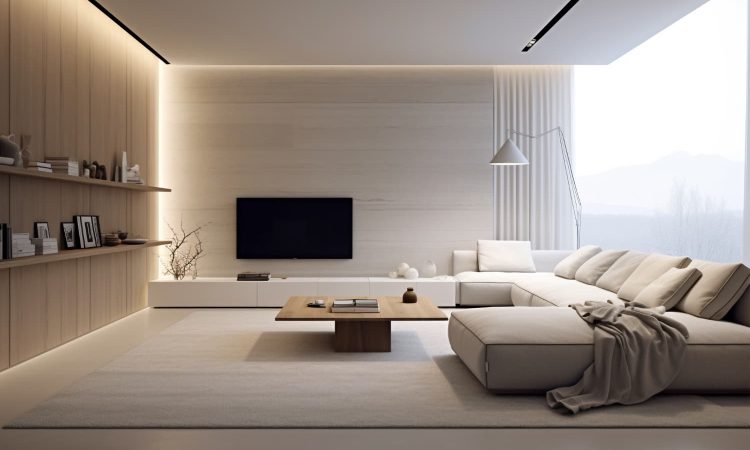
An Innovative Vision in Island Architecture
In today’s architectural landscape, adapting to different geographic environments is no longer optional — it’s essential. Harbor Island Architecture, understood as the specialization in designing and developing projects on port islands, marks a significant shift in how these unique spaces are planned and lived in. This approach blends landscape sensitivity, technical expertise, and sustainability criteria to tackle the challenges of insularity. Its innovative vision translates into proposals that balance environmental protection with residents’ quality of life.
The practice of Harbor Island Architecture begins with a deep understanding of the site before proposing any built solutions. Projects often start with detailed analyses of local climate, geomorphology, and coastal conditions to define specific design strategies. These studies make it possible to anticipate challenges and take advantage of natural resources such as solar orientation and wind currents to achieve thermal comfort. Each project is conceived as a contextual, landscape-sensitive response.
Inherent Challenges of Designing on Port Islands
Working under the principles of Harbor Island Architecture means facing a range of technical and creative challenges. The first is usually integrating the building harmoniously with the natural landscape — a task that calls for low-impact designs and a high capacity for adaptation. Port islands often feature unique vegetation, sea views, and variable topographies that influence the shape, scale, and orientation of buildings. Therefore, architectural solutions must engage in a dialogue with the environment and find settlement forms compatible with the island’s natural dynamics.
Another frequent challenge lies in logistics and transportation of materials and personnel, requiring rigorous planning and efficient construction processes. In island contexts, waste management, supply availability, and coordination with local providers are critical to meeting deadlines and protecting the environment. Modular techniques and off-site prefabrication are increasingly used to shorten construction times and reduce landscape impact — achieving more controlled and eco-friendly execution.
Innovative Architectural Solutions in Harbor Island Architecture
Specialized studios in Harbor Island Architecture have developed a wide range of creative and functional strategies. One of today’s most valued approaches is creating open, flexible spaces that ensure a smooth transition between indoors and outdoors, taking advantage of mild climates and scenic island views. Large windows, terraces, and porches serve as livable extensions that capture natural light and cross-ventilation — key elements for lowering energy consumption. These solutions not only improve comfort but also enhance the sensory experience of the user within the marine landscape.
The use of local and regional materials is another cornerstone of the discipline, promoting both aesthetic integration and support for the local economy. Treated wood, natural stone, and handcrafted ceramics are combined with construction technologies resistant to salt corrosion and constant humidity. Green roofs and rainwater collection systems are frequently integrated to improve insulation and resource management. These measures enable durable, bioclimatic projects that respect and respond to their environment.
Positive Impact on Communities and the Environment
Harbor Island Architecture doesn’t just reshape built environments — it directly impacts island communities. Integrating buildings into their surroundings strengthens a sense of belonging and encourages local participation in both design and construction. Hiring local labor and suppliers boosts the economy and promotes circular practices that benefit the island as a whole. Well-designed projects generate public and private spaces that improve social interaction and accessibility for residents and visitors alike.
Respect for biodiversity and responsible management of natural heritage are non-negotiable principles. Projects often include habitat restoration, green corridors, and water management systems that minimize disruption to fragile ecosystems. These interventions are planned with ecology experts to ensure they’re effective and compatible with local flora and fauna. In this way, architecture contributes to conservation and the sustainable enjoyment of natural environments.
Technology and Digitalization in Island Design
Technological advances have sparked a true revolution in how Harbor Island Architecture specialists work. Modeling tools like BIM allow multidisciplinary coordination, clash detection, and material optimization from early project stages. Virtual and augmented reality enhance communication with clients and authorities through immersive walkthroughs that improve decision-making. These technologies minimize uncertainty and allow fine-tuning of design solutions before construction even begins.
The use of drones and remote sensors has improved mapping and topographic analysis, providing high-resolution data on slopes, erosion, and vegetation cover. This information supports designs that respect the land’s morphology and minimize earthworks. Digital platforms also facilitate construction monitoring and later maintenance, extending the useful life of projects. Overall, digitalization drives island architecture toward greater precision, efficiency, and responsibility.
Adapting to Climate Change in Island Environments
Harbor Island Architecture addresses resilience against climate events and rising sea levels through both preventive and adaptive strategies. Common measures include raised living areas, permeable drainage systems, and landscape designs that buffer storm impacts. These interventions aim to reduce infrastructure vulnerability and protect inhabited areas without sacrificing spatial or aesthetic quality. Long-term planning incorporates future scenarios to ensure today’s decisions don’t compromise tomorrow’s safety.
Research into new materials and coatings resistant to salt and humidity remains constant in island projects. Testing ensures the durability of treatments and systems exposed to marine conditions, allowing better selection of resilient solutions. Elevated structures on stilts or platforms help adapt to sea-level variations while maintaining a visual connection with the landscape. This integrated approach reinforces community confidence in architecture’s capacity to manage climate risks.
Future Outlook for the Sector
The growing demand for island projects is closely linked to global trends such as sustainable tourism, the revitalization of rural areas, and the search for lifestyles more connected with nature. These dynamics open opportunities to rethink island development with models that reduce external dependence and increase local resilience. New proposals often integrate digital infrastructures that support remote work, healthcare, and community energy solutions. Altogether, these initiatives foster economic and social diversification, strengthening island autonomy.
Interdisciplinary collaboration is becoming essential to tackle complex challenges and ensure project viability. Architects, engineers, biologists, and public administrators work hand in hand to balance technical, social, and environmental goals. There’s also a growing shift toward stricter sustainability regulations that set good practices and raise quality standards. Combined with innovation, these regulations help the discipline evolve and solidify its role as a benchmark in responsible design.
Education and Knowledge Sharing: Keys to the Future of Harbor Island Architecture
As the discipline gains recognition, specialized education becomes crucial to prepare new professionals capable of handling island complexity. Universities and research centers now integrate curricula combining construction techniques, ecological analysis, and coastal project management. Hands-on training through workshops and real-world projects fosters applied learning and the transfer of local knowledge. These initiatives help build a professional community better equipped to design and execute context-aware proposals.
Knowledge sharing through case studies, technical conferences, and industry publications accelerates information exchange between professionals and public institutions. These spaces encourage the evaluation and continuous improvement of implemented solutions. International networks also make it possible to adapt proven approaches from other contexts, enriching the available design toolkit. Ultimately, education and knowledge sharing consolidate quality and innovation in island projects.
A User-Centered Approach to Livability
One of Harbor Island Architecture’s defining values is its user-centered approach and focus on real livability. New constructions incorporate thermal, acoustic, and accessibility criteria to create spaces that meet residents’ and visitors’ daily needs. Planning includes multipurpose areas, community zones, and layouts that foster intergenerational living. This human-centered design helps create healthier, more functional environments.
Interior and exterior design focus on flexibility and adaptability to respond to seasonal or functional changes. Features like ventilated façades, movable sunshades, and covered outdoor areas allow users to modulate spaces according to weather or activity. These decisions increase versatility and ensure long-term usability, adapting to new lifestyles over time. Such livability enhances both quality of life and sustainability.
The Importance of Local Context in Harbor Island Architecture Solutions
A key aspect of Harbor Island Architecture is respecting and highlighting each island’s construction and cultural traditions. Research into historical and anthropological context allows reinterpretation of vernacular elements, giving them renewed presence in contemporary projects. This approach strengthens local identity and helps communities embrace new developments. The dialogue between tradition and innovation results in proposals that are both respectful and relevant to their settings.
Attention to detail and project customization ensure functional and aesthetic solutions that blend naturally with their surroundings. Human-scale design and the use of traditional techniques adapted to modern criteria achieve buildings with character and high construction quality. The involvement of local artisans and suppliers enriches the final outcome and supports the island’s economy. In this way, architecture becomes a catalyst for identity, employment, and sustainable development.
International Benchmark in Harbor Island Architecture
With growing specialization, numerous architectural firms have earned recognition as leaders in Harbor Island Architecture. Attention to detail, a drive for innovation, process digitalization, and ecological commitment define their multidisciplinary work. Those interested in exploring flagship projects and resources on this field can visit the harbor island architecture section of Ezlo Architects, where they’ll find specific examples and additional resources on this fascinating architectural approach. The page features projects, images, and descriptions illustrating diverse strategies and solutions applied in coastal contexts. Exploring these materials helps professionals and decision-makers understand best practices and find inspiration for future island developments.